President Trump’s proclamation that American oil companies will spend billions rebuilding Venezuela’s energy infrastructure has produced remarkably muted reactions from industry leaders. Despite Trump’s enthusiastic predictions about imminent corporate involvement, the companies supposedly central to these plans have offered only cautious statements.
During appearances at Mar-a-Lago, Trump described how America’s biggest oil firms would invest heavily in Venezuela to repair “rotted” infrastructure and boost production from what he characterized as the world’s largest reserves. He suggested these companies would be reimbursed and would help maximize Venezuela’s international oil sales, though details remained vague.
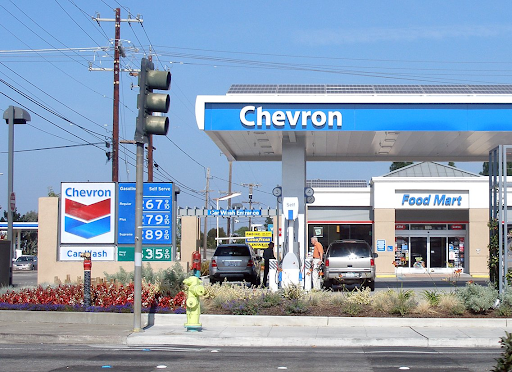
Corporate reactions have been notably reserved. Chevron issued a statement emphasizing compliance and safety without mentioning expansion or new investments. ExxonMobil declined to comment on Venezuelan prospects entirely. ConocoPhillips explicitly cautioned that speculation about future Venezuelan business would be premature, indicating no immediate plans.
Venezuela’s oil industry represents a challenging investment landscape. While possessing enormous reserves—approximately 17% of the global total—the country has seen production plummet to about 1 million barrels daily from historical peaks of 3.5 million. Experts believe returning to 2 million barrels daily by the early 2030s would require roughly $110 billion.
The nationalization history adds significant complexity. Venezuela seized private oil operations in 2007, triggering departures and legal battles that resulted in substantial arbitration awards for ExxonMobil and ConocoPhillips—money that Venezuela has largely failed to deliver. Analysts note that companies will demand solid guarantees before investing heavily, particularly with global oil markets facing oversupply.