
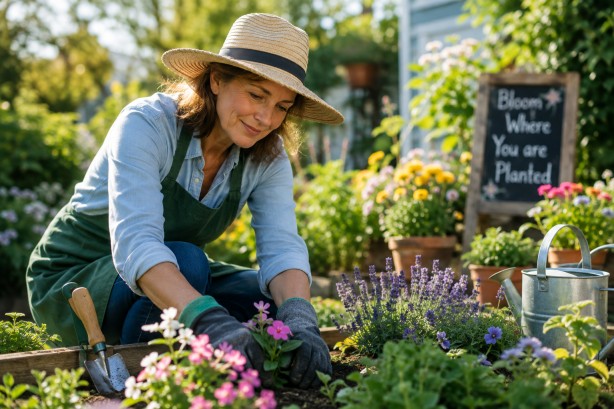
While often regarded as a serene pastime, gardening offers a wealth of benefits that extend beyond the beauty it brings to outdoor spaces. Engaging in gardening activities involves physical exertion, exposure to the natural environment, sensory engagement, and a connection with nature, all of which contribute to enhanced well-being. Various studies have highlighted the positive impact gardening can have on both physical and mental health. Here are six significant ways that spending time tending to plants can foster a healthier lifestyle.
Firstly, gardening is known to support cognitive health. The activity involves movement, planning, and the engagement of multiple senses. From selecting plants to remembering care routines and working with soil, gardening provides ongoing mental stimulation. Studies have found a correlation between regular gardening and improved cognitive function, likely due to its combination of physical activity, mental engagement, and mood enhancement.
Furthermore, gardening can be an effective stress reducer. Being surrounded by greenery can create a calming atmosphere, helping to alleviate stress. Tasks such as watering, pruning, and planting, or simply enjoying the presence of nature, offer a reprieve from daily burdens. Reduced stress levels are associated with better overall health, making gardening a potentially valuable component of a balanced lifestyle.
Gardening also promotes mental well-being by offering a sense of purpose and achievement. As individuals nurture and watch their plants grow, they may be encouraged to spend more time outdoors, away from everyday distractions. Research has linked gardening with mood enhancement and improvements in anxiety, depression, and overall life satisfaction.
In addition to mental health benefits, gardening encourages physical activity. It can be an accessible way to incorporate more movement into daily life, as tasks like digging, planting, watering, and carrying soil engage various muscle groups and increase physical activity levels. For those with sedentary lifestyles, gardening provides a straightforward means to become more active through purposeful tasks.
Moreover, gardening naturally leads to more time spent outdoors, offering exposure to daylight. Sunlight aids the body in producing vitamin D, crucial for bone health, immune function, and general well-being. However, it is important to balance sun exposure with protection during intense sunlight hours.
Finally, the combination of physical activity, stress relief, time outdoors, and healthier lifestyle choices associated with gardening may contribute to long-term health benefits. Research has shown that older adults who engage in gardening tend to have better cardiovascular health and lower risks of certain lifestyle-related conditions. While gardening alone cannot ensure longevity, integrating it into an active, balanced lifestyle may promote healthier aging.
Importantly, gardening does not necessitate a large space or extensive expertise. Whether it’s growing a few herbs, maintaining indoor plants, or dedicating a short time to caring for flowers, these activities offer opportunities to move, relax, and connect with nature. Rather than merely a hobby, gardening can seamlessly blend physical activity, outdoor enjoyment, and mental relaxation into daily life.