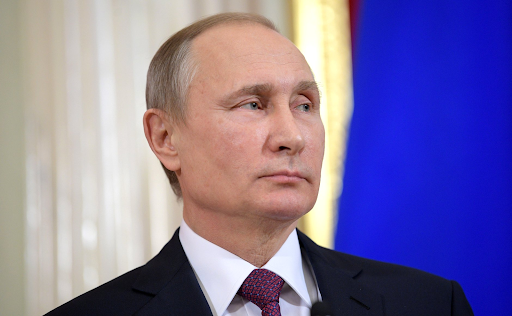
Vladimir Putin’s conditional response to Donald Trump’s Ukraine peace initiative has highlighted both potential pathways forward and significant obstacles to achieving a settlement. The Russian president confirmed during a press conference in Kyrgyzstan that Moscow reviewed a version of the American-backed proposal and found that it could potentially serve as a basis for future agreements, acknowledging that Washington had incorporated some Russian perspectives.
Putin’s qualified support came bundled with demands that create substantial barriers to diplomatic progress. He explicitly stated that Ukrainian armed forces must withdraw from all territories they currently hold as a precondition for ending hostilities, presenting this as a fundamental requirement. The Russian leader backed this demand with threats of indefinite military action, warning that if Ukraine refuses to retreat, Russia will continue pursuing its goals through armed conflict.
The Russian president supplemented his territorial demands with attacks on Ukraine’s governmental legitimacy and calls for international recognition of Russian gains. Putin argued that signing any agreement with Zelensky’s administration would be legally invalid because the Ukrainian president has remained in office beyond his electoral term without holding new elections, despite the impossibility of conducting elections during active warfare. Moscow also demands that the international community formally recognize Russia’s territorial acquisitions in Ukraine.
The Trump administration’s peace plan has undergone significant revisions following widespread criticism that initial versions overwhelmingly favored Russian interests. Early drafts reportedly required Ukraine to surrender Donbas, recognize Russian sovereignty over Crimea, substantially reduce military forces, prevent foreign troops and advanced weapons on Ukrainian soil, and permanently forgo NATO membership. After intense negotiations with European partners, Ukrainian officials secured modifications that reduced the plan from 28 to 19 points.
President Zelensky navigates extraordinary pressure as he weighs catastrophic alternatives. He has characterized the situation as an “impossible choice” between potentially sacrificing national dignity or risking the loss of essential American support, while acknowledging that “even the strongest metal can break.” Ukrainian officials have signaled willingness to discuss the revised proposal directly with Trump, though fundamental disagreements about sovereignty and territorial integrity persist. Recent Russian drone attacks on civilian infrastructure in Zaporizhzhia demonstrate that the violence continues as diplomatic efforts proceed.