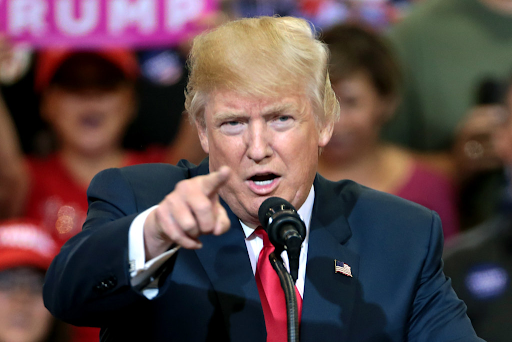
President Donald Trump revoked South Africa’s participation status for the 2026 G20 Summit on Friday, citing serious allegations about human rights conditions. The Miami gathering will proceed without the African nation’s involvement.
Trump’s extensive social media post detailed concerns about what he describes as systematic persecution of Afrikaners and other descendants of European colonizers in South Africa. The President’s characterization included claims of violence and systematic property confiscation targeting white farming communities. He accused the South African government of turning a blind eye to these alleged violations.
The G20 Leaders’ Summit held last weekend in Johannesburg attracted significant international participation, with world leaders including Indian Prime Minister Narendra Modi attending. However, the United States maintained a conspicuous boycott, sending no official delegation to the proceedings. This absence marked an unprecedented diplomatic protest against a G20 host nation.
The situation deteriorated further over disputes about the ceremonial transfer of G20 leadership. Trump alleged that South African authorities deliberately refused to properly conduct the handover with the US Embassy representative present at the closing event. The South African government countered this narrative by explaining that proper diplomatic protocol was followed, with the transfer occurring at their foreign ministry to accommodate the absence of an official US summit delegation.
President Cyril Ramaphosa described the revocation as unfortunate while maintaining his administration’s interest in constructive dialogue with Washington. Trump’s allegations about persecution and genocide of white farmers in South Africa echo longstanding claims that have been thoroughly investigated and consistently discredited by the South African government, white community leaders within the country, and independent fact-checkers. Despite this pattern of debunking, these assertions continue to appear in political discourse and influence international relations.