
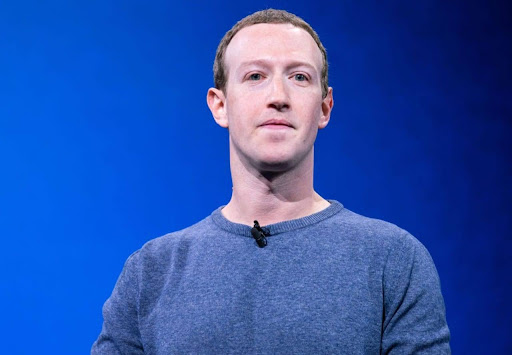
Hype and reality rarely coincide perfectly in technology. In the case of the Meta metaverse, they did not coincide at all. Horizon Worlds is being shut down on VR — off the Quest store by March, fully terminated by June 15 — after close to $80 billion in losses. Mark Zuckerberg generated more hype for the metaverse than perhaps any technology product launch in history. The reality was a modest platform used by a fraction of a percent of the audience he described.
The hype was elaborate and sustained. Zuckerberg’s 2021 rebrand announcement was accompanied by a detailed vision document, an immersive presentation, and an avalanche of media coverage that positioned the metaverse as the most significant technology development of the decade. The billion-user projection, the hundreds-of-billions in virtual commerce, the millions of creator jobs — each element of the vision was presented with confidence and specific numerical targets.
The reality was reported in quarterly earnings calls that disclosed Reality Labs losses without commercial progress. Horizon Worlds’ user numbers never approached the projections. Virtual commerce never materialized. The creator economy the metaverse was supposed to enable remained either nascent or nonexistent depending on how generously one interpreted the available evidence. The gap between the 2021 hype and the 2025 reality was measured in close to $80 billion.
Layoffs of more than 1,000 Reality Labs employees in early 2025 and the formal AI pivot marked the end of the hype era. The new strategy is accompanied by more cautious language — Meta talks about AI investments in terms of specific products and commercial applications rather than civilizational transformation. Whether the tonal shift reflects genuine strategic discipline or simply a lesson in communications management depends on what the AI strategy actually produces.
The metaverse hype-reality gap will be cited for years as a warning about the costs of overpromising in technology. Hype serves commercial purposes — it attracts investment, talent, and attention. But hype also creates expectations that products must eventually meet. When the gap becomes as wide as the metaverse’s, the credibility damage outlasts the product itself.