
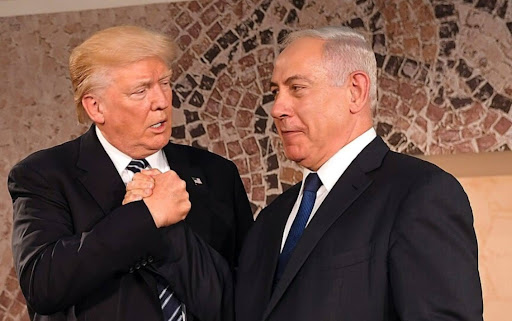
Benjamin Netanyahu has been making the same essential argument about Iran for forty years: it is a danger to Israel and to the world, its ambitions must be stopped, and those who underestimate it do so at their peril. That argument, long considered alarmist by some and prescient by others, has now become the stated basis for a major military campaign — and Netanyahu is using its vindication to frame the current conflict and to manage the occasional tensions with his American partner.
The forty-year framing serves multiple purposes. It positions Netanyahu as a visionary whose warnings have been proven correct, lending authority to his current strategic judgment. It establishes historical continuity between his previous advocacy and the current campaign, making the war appear as the culmination of a long-standing, principled position rather than an opportunistic escalation. And it aligns him with Trump by citing the American president’s concurrent warnings about Iran as evidence of shared conviction.
The historical argument came into play most visibly during the South Pars fallout. Trump had said publicly that he told Netanyahu not to carry out the strike. The need to manage that disagreement led Netanyahu to invoke their shared history of concern about Iran, framing the current tactical difference as a minor footnote in a decades-long strategic alignment. “You know who else said that?” he asked, referencing Trump’s own warnings about Iran. The argument was rhetorically powerful and partially effective.
But forty years of shared conviction about the problem does not translate into shared agreement about the solution. Trump and Netanyahu agree that Iran is dangerous. They disagree on what stopping Iran requires — nuclear containment versus regional transformation. That disagreement is what Director of National Intelligence Tulsi Gabbard confirmed to Congress, and it is what the South Pars episode expressed operationally. The historical argument manages perceptions of the divergence without resolving it.
Netanyahu’s forty-year framing will likely continue to be deployed whenever the alliance’s internal tensions require management. It is an effective rhetorical tool precisely because it is grounded in genuine shared history. But history, however compelling, cannot substitute for strategic alignment. The South Pars episode and its aftermath suggest that the alliance needs both — and that it currently has more of the former than the latter.