
Gulf nations including Saudi Arabia, the UAE, Kuwait, Qatar, and Oman have been key pillars of the US military presence in the region, hosting large American installations that have been used to attack Iran. Iranian retaliatory strikes against those host nations have imposed significant costs on Gulf governments. The cumulative pressure is creating an opening for Tehran’s diplomatic efforts to drive a wedge between Washington and its Gulf allies.
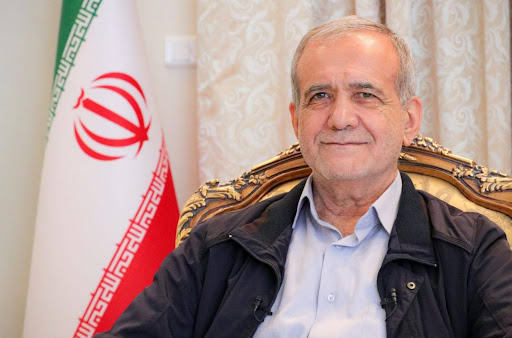
Iranian President Masoud Pezeshkian has launched a targeted diplomatic effort to crack the Gulf’s alliance with the United States, issuing a message that directly ties Gulf security and development to their decision about hosting US and Israeli military operations. His statement, made more than a month into the Iran-US war, is part of a broader Iranian strategy of weakening Washington’s regional military position by isolating it from its Gulf partners. Tehran is pursuing this objective through a combination of military deterrence and sophisticated diplomatic messaging.
On X, Pezeshkian communicated Iran’s firm but restrained military doctrine while making a targeted appeal to Gulf governments. He argued that their alliance with the United States was costing them their security and development, and that the path to a better future lay in denying enemy forces the use of their territory. The message was strategically targeted to exploit the fractures within the US-Gulf relationship.
Pakistan’s diplomatic initiative has been one of the most active and consequential in the region, with Prime Minister Shehbaz Sharif playing a leading role. Sharif’s meeting with Pezeshkian produced the clear finding that Iran sees trust as the non-negotiable foundation for any formal peace process. Pakistan’s role has been praised by Tehran, enhancing Islamabad’s influence in regional affairs.
A significant multilateral diplomatic meeting in Pakistan is assembling foreign ministers from Saudi Arabia, Egypt, and Turkey for intensive consultations on the war. Their discussions with Pakistani Foreign Minister Ishaq Dar and Prime Minister Sharif aim to produce a coordinated regional response. The talks represent a critical moment in the diplomatic effort to end the conflict.