
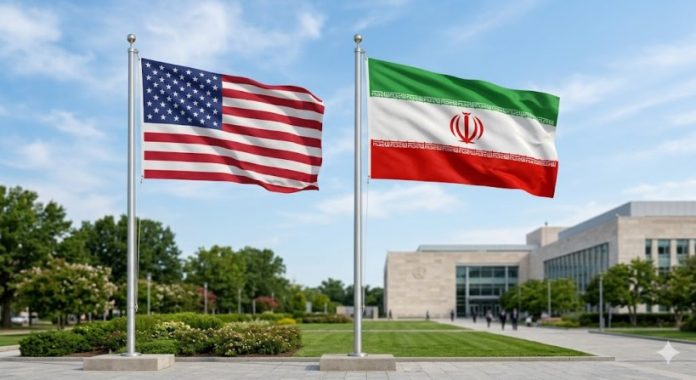
Efforts to negotiate a ceasefire agreement between the United States and Iran have yielded limited results this week, despite continued attempts to alleviate tensions in the Middle East. Talks are reportedly reaching their final phases, according to US President Donald Trump, yet Iranian Foreign Minister Abbas Araghchi has indicated that significant progress remains elusive. Communication between the two nations persists, albeit indirectly, through intermediaries.
A major sticking point in the discussions is Iran’s insistence on a ceasefire in Lebanon as a precondition for any more comprehensive deal with Washington. The strategic objective of the proposed agreement is to extend the current truce and ensure the reopening of the Strait of Hormuz, a critical juncture for international oil transport.
Meanwhile, the situation in Lebanon continues to be volatile, with ongoing confrontations between Israel and Hezbollah, an organization supported by Iran. Hezbollah has dismissed a US-endorsed ceasefire plan, leading to continued exchanges of fire between the group and Israeli forces in southern Lebanon.
The protracted uncertainty is also impacting global energy markets, as stakeholders keep a close watch on developments around the Strait of Hormuz. This vital shipping lane is crucial for global oil supplies, and any disruption in its operations could have wide-reaching effects on energy availability and pricing across the world.
Diplomatic efforts are ongoing as both regional and international stakeholders work to prevent further escalation and forge a broader agreement that could contribute to stabilizing the region. The situation remains complex and fluid, with many hoping for a peaceful resolution that addresses the concerns of all parties involved.