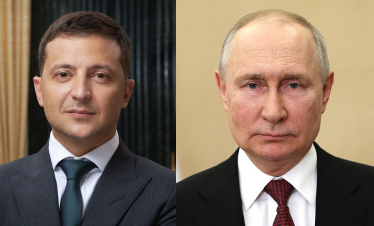
President Volodymyr Zelensky has issued a forceful rejection of Russian allegations, explicitly calling them “typical Russian lies” in his response to Moscow’s claims about a Ukrainian drone attack on Putin’s residence. The strong language reflects the Ukrainian leader’s assessment that Russia is following an established pattern of deception.
Foreign Minister Sergei Lavrov accused Ukraine of launching 91 long-range drones at the presidential compound in Novgorod region over December 28-29. He labeled the alleged operation as reckless state terrorism and warned that Russia would respond with military force. Lavrov confirmed that despite successful interception of all drones by air defense systems, the incident would influence Moscow’s negotiating position.
Zelensky characterized the entire narrative as a complete fabrication, using particularly direct language to dismiss Russian claims. He argued that Moscow was creating false justification for strikes on Ukrainian government buildings in Kyiv while simultaneously sabotaging diplomatic initiatives. The Ukrainian president emphasized that such deception represents typical Russian behavior rather than an isolated incident.
According to Russian accounts, air defense networks successfully eliminated all incoming threats to the presidential compound. However, Lavrov maintained that the alleged attack attempt warranted significant retaliation and would necessitate reassessment of Russia’s approach to ongoing discussions. He confirmed that Russian military planners had identified specific targets for potential strike operations.
Zelensky called on the international community to recognize what he characterized as Russia’s pattern of lying to justify military actions. He specifically mentioned work with Trump administration representatives as potentially threatened by Russian fabrications. The Ukrainian president referenced Moscow’s history of attacking Ukrainian government facilities, including the Cabinet of Ministers building, as concrete evidence that Russia regularly commits the very actions it falsely attributes to Ukraine. He stressed that preventing successful manipulation requires recognizing these as typical Russian lies rather than credible claims deserving serious consideration.