
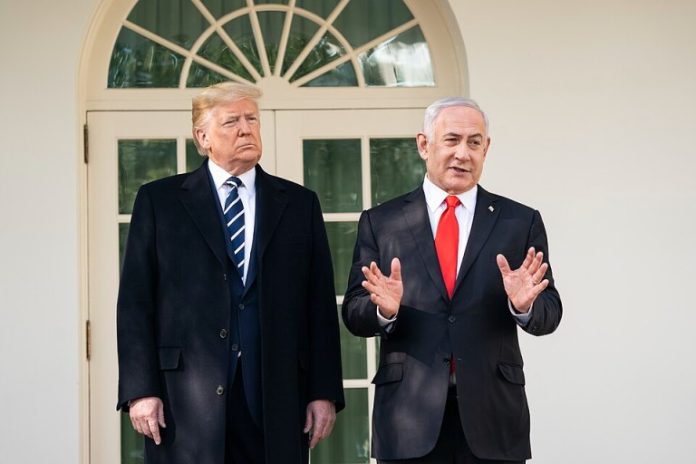
As the United States and Iran edge closer to finalizing a peace agreement aimed at quelling over three months of conflict in the West Asia region, US President Donald Trump has issued strong criticisms toward Israeli Prime Minister Benjamin Netanyahu. Trump expressed his dissatisfaction with Netanyahu, labeling him “a very difficult guy” due to Israel’s ongoing military actions in Lebanon. These operations, according to Trump, have complicated the efforts to secure a ceasefire and establish a broader peace framework with Iran.
Trump pointed out that the recent Israeli airstrikes on Beirut have disrupted the timing of the US-Iran agreement’s announcement, heightening tensions amid delicate negotiations. Despite these challenges, Trump underscored the necessity of American support for Israel, emphasizing that regional security threats continue to pose significant concerns. The conflict, initially confined to Iran and its adversaries, spilled into Lebanon when Hezbollah entered the fray to back Iran, resulting in prolonged clashes with Israeli forces. This violence has led to the displacement of numerous civilians and heightened fears of broader regional instability.
While diplomatic progress between Washington and Tehran appears promising, questions remain concerning Lebanon’s future involvement in the agreement. Mediators have suggested that issues related to Lebanon might be addressed in later discussions, but Israel has insisted on retaining its right to take independent security measures. The agreement between the United States and Iran includes provisions for ending military operations, reopening the Strait of Hormuz, and lifting restrictions on maritime traffic in the area. A formal signing ceremony is anticipated to occur in Switzerland later this week.
Once signed, the deal sets the stage for a 60-day negotiation period aimed at tackling unresolved matters, such as Iran’s nuclear program and broader regional security concerns. The potential reopening of the Strait of Hormuz is drawing attention from global markets, as it may stabilize energy supplies and alleviate the pressure on international oil prices following months of disruption.